
Tell me, baby, what’s your story
Where you come from
And where you wanna go this time?
Tell me, lover, are you lonely?
The thing we need is
Never all that hard to find– Red Hot Chili Peppers
(Tell Me Baby, 2006)
Tell me, baby, what’s your story
Where you come from
And where you wanna go this time?
Tell me, lover, are you lonely?
The thing we need is
Never all that hard to find– Red Hot Chili Peppers
(Tell Me Baby, 2006)

“I like trains. I like their rhythm, and I like the freedom of being suspended between two places, all anxieties of purpose taken care of: for this moment I know where I am going.”
– Anna Funder (Stasiland: Stories from Behind the Berlin Wall, 2003)
————
Part 1: Recognizing an Optical Illusion
Part 2: Deconstructing an Optical Illusion
~ Part 3 in the Ambiguous Androgyny series ~
————
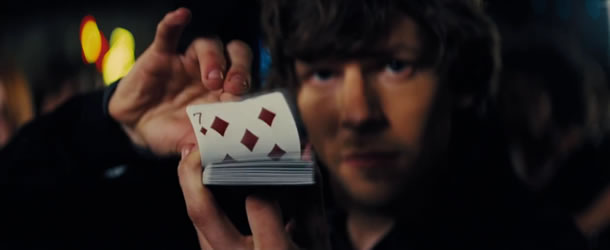
Following the radical shifts in perspective after the mirror experiment, I have been working through several new considerations.
The first consideration is an important caveat: all of these recent realizations – a more positive and more realistic body image, a concrete image of my ideal body to help guide transition choices, and increased gratitude and acceptance for my body – all of these realizations apply very specifically to my body as it currently exists. Had I attempted that mirror experiment at any other time over the past 10 years, I think I would have aborted the attempt within a few minutes because the disgust, self-loathing, and confusion generated by seeing my mirror reflection would have been intolerable.
But now, I am fitter, stronger, and physically healthier than I have ever been before. This is not to suggest that accepting your body is only possible if you meet externally imposed standards of fitness or conform to conventional expectations of attractiveness. Absolutely not. I am only saying that the increased muscularity and decreased body fat associated with a rigorous exercise routine are changes that have allowed me to finally feel comfortable in my own body.
This also is the first time that I have achieved a degree of androgyny sufficient to alleviate most of my physical dysphoria while also maintaining a healthy body weight. This is not to suggest that expression of androgyny excludes bodies that are thinner or heavier than mine. Absolutely not. I am only saying that finding a way to create a comfortably androgynous appearance for myself, without resorting to a dangerously low body weight, is a much healthier and more sustainable approach than my teenage anorexia.
I think it is also important to acknowledge that much of my gratitude for my current body comes from realizing that I have won the genetic lottery. As an XX individual, I consider myself incredibly lucky to have a body that is capable of looking this androgynous without medical or surgical intervention so far. I have made considerable effort, through my workouts and my diet and my clothing choice and my haircut, to create this appearance. But that effort is only one small part of the story. I am lucky that I have the metabolism to lose weight relatively easily and maintain low body fat. I am lucky that I have the anabolic capacity to build muscle mass fairly easily in response to the effort I put in at the gym. I am lucky that my facial features are naturally androgynous. I am lucky that my chest has always been flat and has become even flatter after thousands of pushups and thousands of bench press reps. I cannot take credit for those factors. I can only be grateful for them.
The second consideration is that maintaining my body in a way that feels comfortable for me will require consistent ongoing effort. I have several options about what kind of effort this might be. I could continue my current diet and exercise routine. I could proceed with medical options including testosterone and mastectomy. I could work towards greater internal acceptance of the aspects of my body that I cannot control. All of these possibilities represent ongoing effort. All of these options come with advantages and disadvantages.
My daily workouts require a considerable investment of time and energy. Having started a new combination of medications to manage the debilitating fatigue of depression and having adjusted my lifestyle to incorporate an early morning exercise routine, the time and energy costs are no longer prohibitive barriers.
My diet requires constant awareness of calories, grams of protein, grams of fat. My diet also requires active tolerance of the often intrusive nature of this awareness. Many of my food-related thoughts and behaviors are habits deeply ingrained from a decade of disordered eating, and I do not recommend these strategies to anyone else. But I have accepted that these thoughts and behaviors are unlikely to disappear entirely. And while I don’t think the improvements in body image will lead to any immediate changes in my approach to food, these thoughts and behaviors become much more tolerable in the context of acceptance and gratitude instead of disgust and self-loathing.
Now that my ideal body is more clearly defined in my mind, I feel better able to evaluate the many different options for testosterone moving forward. Because I have realized that my goal is not complete physical masculinization but rather minor masculinizing adjustments to my current body, I think I would prefer to start on a low dose of testosterone so that physical changes occur very gradually. At this point, I have one particularly prominent question: In an XX person, would long-term administration of low dose testosterone ultimately lead to complete physical masculinization, but at a much slower pace than higher doses of testosterone? Or would long-term administration of low dose testosterone lead to partial masculinization that would be sustainable and non-progressive past a certain point? I am hoping very strongly for the latter. I have started looked for published data to answer this question, but so far I have only found articles describing the effects of chronic administration of high doses of testosterone in FTMs or describing the effects of short-term administration of low doses of testosterone in women (including the effects of exogenous testosterone administered to treat various medical conditions as well as the effects of endogenous testosterone in women with polycystic ovarian syndrome). However, there seem to be no studies describing the effects of long-term administration of low dose testosterone in female-bodied people without concurrent medical issues. I have only found a handful of anecdotal descriptions on personal blogs from trans people taking low doses of testosterone. But this is an important question for me, so I will continue my investigation.
The third new insight is that greater acceptance and comfort with my how my body LOOKS has been followed by much greater awareness of how my body FEELS. Prior to the mirror experiment, I was so detached from my body that I had very little awareness for how it felt. When prompted by my psychiatrist to identify physical sensations associated with certain emotions, I was completely unable to do so. The only time I ever felt any meaningful physical awareness was during exercise, as I have described with respect to running and boxing.
But since that mirror experiment, I seem to have developed an intensely heightened awareness of so many daily physical sensations. A shower used to be just a shower. Now a shower is a thousand individual drops of water, each one hitting my skin and trickling down my body. Applying hand lotion used to be just a necessary task. Now I am aware of how the knuckles and metacarpals and tendons of one hand feel inside the palm of my other hand. Clothing used to be just a set of pants and shirts and underwear. Now I am aware of how different types of fabric feel against my skin, aware of the pressure as a shirt stretches across my shoulder, aware of the gentle tension of cuffs around my wrists. Going outside used to be a retinal adjustment from dark hallway to sunny doorway. Now this transition is not just a visual adjustment but also a physical awareness of the change in temperature from hallway to door, an awareness of how the shadows feel when they dance across my skin as the sunshine chases them away. Waking up in the morning used to be an abrupt termination of a dream replaced by real-life thoughts. Now waking up is an immediate awareness of my whole body stretched out on the mattress, an awareness of the light weight of sheets and blankets surrounding me.
“You used to be much more… muchier. You’ve lost your muchness.”
– The Mad Hatter (Alice’s Adventures in Wonderland, 1865)
I really can’t describe this feeling any better than The Hatter. Being inside my body now is much more muchier. There’s so just much muchness.
I had been living with my parents before I was admitted to hospital but was unable to move back in with them after discharge, so one of the priorities was finding a place to live after discharge. Up until the mirror session, I had been thinking only in terms of apartments and rent and location. But now, I finally understand that I can live HERE, in my own body. It feels like authentic inhabitation of a home I didn’t even realize that I had.
The last new realization is also the most powerful. I previously described watching how women shift their interpretation of my appearance from male to female when they see me in public washrooms. I recently had the opportunity to observe this perceptual reversal in a dentist’s waiting room instead of a womens’ washroom.
I sat down in the waiting room to fill out a general history form, which required that I list my current medications. An elderly man sitting nearby saw me writing and said, “Whattaya doin’? Writin’ down the names of all your girlfriends?” His tone and posture seemed to suggest that he was making a conspiratorial joke, but I did not find his questions humorous at all. I was annoyed by the interruption, astonished by his presumption, and curious about his assumptions.
I was wearing jeans and a loose-fitting blue sweater, with my backpack on the floor beside me. I thought it most likely that his attempted joke hinged on the string of assumptions that I am male, straight, teenage, and obsessed with girls. I also considered the possibility that he perceived me as female and assumed that I am lesbian because I have short hair. I won’t list all the problematic stereotypes associated with those assumptions, but I will say that I have encountered all of them on multiple occasions before.
I continued writing without looking up from the page, and said, “No, I’m writing down my medications.” And then, because I was both intensely curious and intensely irritated, I looked up and asked him, “Do you think I’m male or female?” He frowned, and I watched his eyes roam up and down my body, eventually returning to my face. He finally said, uncertainly, “Ooooh… I guess… you’re actually female?” So it seems that he had indeed made that first series of assumptions: male + straight + young = girl-crazy. And while his assumption that I was a boy provided some validation of my physical androgyny, his comments also demonstrated incredible ignorance. So I shrugged, unwilling to definitively confirm either maleness or femaleness. But because he now saw me as female, I said, “Doesn’t mean I don’t have girlfriends.” He let out a short uncomfortable chuckle, and then stood up and moved to the chair as far away from me as possible.
And you know what? I did not feel the slightest hint of guilt about being the source of his discomfort. Nagging guilt about the discomfort that my appearance causes other people has plagued me in the past. But not anymore. Because I have achieved not only an authentic inhabitation of my body, I have also achieved an authentic acceptance of my ambiguous androgyny.
This here? What you see when you look at me?
This is not a deliberate deception.
This is not an intentional illusion.
It is authentic ambiguity.
It is not a palmed card.
It is not a crafty shuffle.
It is not a false cut.
It is an ace worn proudly on my sleeve.
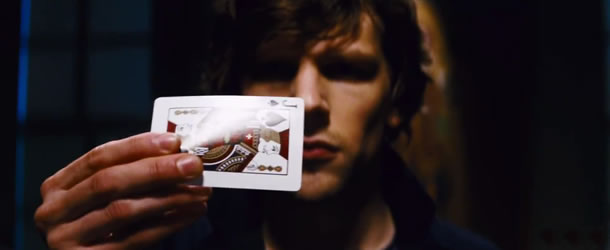
“So come close. Get all over me. Because the closer you think you are, the less you’ll actually see.”
– J Daniel Atlas (Now You See Me, 2013)

With your sheets like metal and your belt like lace,
And your deck of cards missing the jack and the ace,
And your basement clothes and your hollow face,
Who among them can think he could outguess you?
With your silhouette when the sunlight dims
Into your eyes where the moonlight swims,
And your match-book songs and your gypsy hymns,
Who among them would try to impress you?– Bob Dylan
(Sad-Eyed Lady of the Lowlands, 1966)

“There are things known and there are things unknown, and in between are the doors of perception.”
– uncertain origin*
————
*Commonly attributed to Aldous Huxley.
This quote does not actually appear in Huxley’s work but is often assumed to originate from his book, The Doors of Perception (1954). The Doors of Perception is a philosophical essay reflecting on the experience of taking mescaline, titled in reference to a statement from William Blake: “If the doors of perception were cleansed, everything would appear to man as it is, infinite.” (The Marriage of Heaven and Hell, 1790).
The American rock band The Doors was named in reference to Huxley’s book. The quote above has also sometimes been attributed to co-founding band members Jim Morrison and Ray Manzarek, although it was likely abbreviated from a comment made by Manzarek in an interview for Newsweek: “There are things you know about,” says 25-year-old Manzarek, whose specialty is playing the organ with one hand and the bass piano with the other, “and things you don’t, the known and the unknown, and in between are the doors – that’s us. We’re saying that you’re not only spirit, you’re also this very sensuous being. That’s not evil, that’s a really beautiful thing. Hell appears so much more fascinating and bizarre than heaven. You have to ‘break on through to the other side’ to become the whole being.” (Newsweek, 1967, This Way to Egress)
It is unclear who rephrased Manzarek’s statement into the wording displayed above, or why this quote is most often attributed to Huxley despite not appearing in his published work. This is one of those things unknown.
————
Part 1: Recognizing an Optical Illusion
~ Part 2 in the Ambiguous Androgyny series ~
Part 3: What You See
————

“Are you watching closely?”
– Alfred Borden (The Prestige, 2006)
In my last post, I discussed how the analogy of an optical illusion – specifically, the multistable perception that arises when viewing ambiguous images – has given me a more concrete framework to understand my experience of body dysphoria. Optical illusions have been described as an experience where “expectations are violated”, so I had challenged myself:
Does this multistable perception of my mirror image indicate the presence of some problematic expectations that my ambiguous androgyny somehow violates? Is it possible for me to deconstruct this distressing optical illusion to create a more comfortable, more coherent, and more stable cognitive interpretation of my physical appearance?
Certainly, part of the optical illusion effect comes from gender dysphoria itself. The inexplicable but undeniable distress I feel in response to seeing my female anatomy, and the detachment from my physical appearance that developed as a means to cope with that distress, both contribute to difficulty recognizing my mirror image as an accurate reflection of myself.
But now I think there was a second layer to that illusion: my own expectations about what male and female bodies are supposed to look like. My physical androgyny, deliberately designed to minimize female traits and partially successful in reducing the intensity of body dysphoria, became an optical illusion because it did not match conventional expectations of “male body” or “female body” and generated mutually exclusive alternating interpretations of “boy” or “girl”. “The perception of multistable stimuli can be influenced by contextual properties of the image, including recognizability and semantic content.” (Leopold 1999) My ambiguously androgynous mirror reflection became an illusion by violating my gendered-body expectations and refusing to align with any recognizable gender pattern in my mind.
Which leads to the third layer of this illusion: the insidiously deceptive illusion of opposites. For so many years, I assumed that because my brain did not expect to see a female body, it must expect to see a male body instead. This was an appealing and self-reinforcing assumption because a “male” body is a concrete and easily visualized image. Dozens of male bodies cross my sightline each day. My mind catalogues all their physical similarities, an additive assimilation of biased data to create an increasingly narrow idea of what makes a man a man. This process provoked a constant self-loathing comparison of my female body to their male bodies and a vicarious idealization of stereotypical physical masculinity.
A couple of months ago, I had several long conversations about my ongoing disordered eating issues and my experience of body dysphoria with a new acquaintance. When I described the optical illusion effect associated with seeing myself in the mirror, he asked, “Would it be helpful to spend longer looking at yourself in the mirror, to try to acclimatize your mind to the mirror image?” I immediately dismissed his suggestion, telling him that spending more time in front of the mirror would only prolong the uncomfortable optical illusion sensation.
But over the next few days and weeks, I found my mind continually returning to his question. Everything I hear, every word I read, everything I see – all of it, all the time – it just keeps echoing around in my brain like a constant cognitive echolalia. Questions always echo loudest.
“Would it be helpful to spend longer looking at yourself in the mirror?”
“…spend longer looking at yourself in the mirror?”
“…yourself in the mirror?”
I started to reconsider my original dismissal. I tried to imagine spending a longer period of time in front of the mirror. Anticipating the same discomfort and confusion that has always plagued my reflection, I remained rigidly resistant to this prospect. Until I finally realized: I don’t need to look at my reflection LONGER, I need to look at it DIFFERENTLY. I should stop trying to force the optical illusion into a logical conclusion. Instead, I need to try to see past the deception and reveal my brain’s expectations. I should stop letting myself get distracted by the magician’s misdirection, lulled over and over into seeing the impossible while knowing that it is impossible. Instead, I need to ignore the magician’s diversions and focus on the cold hard mechanics of the trick to see how it’s actually performed.
So began the mirror experiment. With an odd mixture of anxiety and curiosity, I propped myself cross-legged on the stainless steel shelf across from the mirror in my hospital bathroom. I stared at myself in the mirror for an hour.
The first few minutes in front of the mirror were dominated by self-judgment. I felt so obnoxiously vain – with respect to Greek mythology, such intense focus on my reflected image is practically the definition of narcissism. But I was able to rationalize it by reminding myself that someone else had suggested this mirror experiment. After I let go of that self-judgment, the insights that arose during my time in front of the mirror were incredibly enlightening and completely unexpected.
As I stared at my reflection, I intentionally kept changing the lens through which I viewed my mirror image. I started with a third-person lens, trying to see myself neutrally, objectively, as an outsider. I wondered: What does my psychiatrist see when he looks at me? What do my friends see? What do strangers see? I revisited echoes from previous conversations, comments other people had made about my physical appearance.
“I see you as female right now because I’ve read your file and I know your age. You’re 24. But you don’t look like a 24-year-old man… probably based on the lack of facial hair. So if I just saw you on the street and didn’t know your age, I would assume you were an adolescent boy.” – a psychiatrist
“You think 80% of strangers read you as female and 20% read you as male? I dunno, McMurray… I think it’s closer to 50-50. Or maybe 60% would say you’re female, 40% male. There have been several times when we’ve had coffee where someone comes up to me after you’ve left and asked “Who was he?” or asked if you were my son.” – a friend
“Hey. I just wanted to say… you look so good in that tank top! Like, your shoulders are so jacked! Oh my god, I wish I had arms like that.” – an in-patient on the psychiatric unit
“Don’t take this the wrong way… but… your perception of yourself as ugly or unattractive is not exactly accurate… I think that might be an unrealistic and negative distortion. At least from my perspective.” – an acquaintance
Hearing those echoes and seeing the person in the mirror through this third-person perspective was like seeing an engaging snapshot of a stranger, appreciating their appearance and finding yourself curious about who they are and what their life is like. Such strict objectivity was surprisingly reassuring.
I mentally hit ⌘S to save an image of that objective snapshot, then discarded the third-person lens, toggled the microscope, slotted in a first-person filter, and reattached my “self” to the body in the mirror. As my first-person perspective came into focus, I felt the familiar flutter of distressing dysphoric confusion, but I hit ⌘S again. Then I opened up two Preview windows side-by-side to compare the third-person and first-person images.
Prior to this mirror session, I didn’t think that I had a distorted body image. I thought I saw myself realistically and just didn’t like what I saw. But this direct comparison of two different perspectives on my appearance illuminated several previously unrecognized negative distortions. I am not actually not as homely as I always thought, I am leaner and more muscular than I thought, I look physically fit and healthy. These realizations came with a deep sense of gratitude for my body and a brand new desire to treat this body kindly, no matter which gender its appears to be.
This direct side-by-side comparison also revealed a troubling cognitive sleight-of-hand: whenever I see myself, my mind immediately hones in on female anatomy and magnifies the size and significance of these female features while largely ignoring other aspects of my appearance. Being able to see myself in the third-person image without the mentally Photoshopped enhancement of physical femininity finally allowed me to appreciate how small and insignificant these female anatomical traits are on my own body.
The next step was to return to the original challenge I had set for myself: examine my expectations. I adjusted the microscope once more, retaining the first-person lens but changing the position of the focus to visualize the expectations underlying the outward appearance. It’s obvious that I do not expect to see a female body in the mirror, but do I really expect to see a male body instead? That’s an easy assumption, but is is accurate?
I have struggled for so long to create a tangible idea of my transition goals. Considering making masculinizing modifications to my body has always seemed appealing, but those options come with risks and side effects and I have been unable to clearly visualize the final outcome of these steps. So I have been overwhelmingly uncertain to what I extent I want to medically transition.
With the focus on my expectations, I opened up a third window in my mind: a CGI animation program. I imported the objective third-person image of myself and translated that into a 3D avatar that represents my current body. Then I started building an avatar to represent my “ideal” body. To do this, I had to disable the program’s automatic preset templates for “male” or “female” characters – templates generated from internalized expectations of what “men’s bodies” and “women’s bodies” are supposed to look like, expectations accumulated after nearly two and a half decades in a world that revolves around binary gender stereotypes. Without a 2D image or a preset template, I had to start from scratch on my “ideal” avatar, first building a basic genderless human body and then adding and subtracting anatomical features (a beard, a penis, a square jaw), adjusting ratios and proportions (broader shoulders, bigger deltoids, narrower hips), until my “ideal” avatar finally emerged with a startlingly concrete clarity. My “ideal” body seems to be one of nearly symmetrical androgyny: a lean and physically fit individual with moderate upper body muscle mass (prominent but not bulky), a smooth chest, a shoulder-to-hip ratio of about 1.2 to 1.4, a waist-to-hip ratio of about 0.8, and a well-defined jawline. Beard and penis not required.
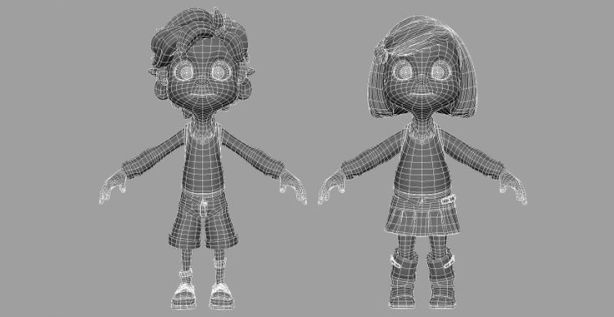
Having created realistic 3D models of my current body and my “ideal” body, I aligned these two avatars side-by-side on the screen. I reduced the opacity of both images to about 50% transparency and dragged the “ideal” avatar over top of the “current” avatar. And then I looked for discrepancies, trying to figure out where the two avatars differ. To my astonishment, it became clear that the differences between my real body and my ideal body are far more minor than I had previously believed! My ideal body has a slightly more masculine silhouette than my current body (broader shoulders, more upper body muscle mass, wider waist, narrower hips) and slightly more masculine facial features. Otherwise, my real and ideal avatars are almost identical.
This realization was profoundly reassuring. I finally have a concrete mental image of what I want my body to look like in the future – I have an avatar to project forward in time. I also have a much more positive and more realistic perspective on my current body, a much more authentic acceptance of my current appearance, and an overwhelming gratitude for my body. My androgynous appearance no longer seems ambiguous, because I no longer have to force it to align with expectations about what men and women look like. My androgynous appearance is now unambiguously, unequivocally, unashamedly my own. “In addition to being associated with perceptual transitions during multistability, activity in frontal and parietal cortex can also contribute to percept stabilization.” (Sterzer 2009) I think these cognitive contortions through the looking-glass have finally stabilized my perception of my mirror image in a way that could be comfortable and consistent over time.
My mind lingered for a few more moments, visualizing my real and ideal avatars, regarding them both with dawning respect and gratitude and affection, feeling a growing groundedness inside these bones and vessels and muscles that are my home for life. And then, ⌘S one more time – these images are worth saving, remembering, cherishing – one by one I closed all the windows I had opened in my mind. After the software was shut down, the microscope dismantled, the lenses stowed away, I found myself with nothing left between me and my mirror image. And it was in that one raw unguarded moment that I realized: I DON’T WANT TO KILL HER. I had just spent a very intimate hour with this girl – I had seen every subtle change in her expression, seen tears of gratitude welling up, watched a bemused little grin flicker across her face, I had watched her body shift and stretch, had seen the athletic strength and flexibility behind even the smallest adjustments in posture – and I could not bear the thought of killing her. Reattaching my “self” to that thought, I realized: I DO NOT WANT TO KILL MYSELF. More than two years of suicidal ideation – varying in urgency and intensity but relentless in its constant haunting presence – evaporated in that single second. Just like magic.
“Every great magic trick consists of three parts or acts. The first part is called The Pledge. The magician shows you something ordinary: a deck of cards, a bird, or a man. He shows you this object. Perhaps he asks you to inspect it to see if it is indeed real, unaltered, normal.
The Pledge is my female body: real, ordinary, medically unaltered.
The second act is called The Turn. The magician takes the ordinary something and makes it do something extraordinary. Now you’re looking for the secret… but you won’t find it, because of course you’re not really looking. You don’t really want to know. You want to be fooled.
For years, my brain was stuck at the Turn, constantly creating illusions without really looking, desperately wanting to fool itself into seeing a body that matched my unchallenged expectations. I finally made those expectations disappear.
But you wouldn’t clap yet. Because making something disappear isn’t enough; you have to bring it back. That’s why every magic trick has a third act, the hardest part, the part we call The Prestige.”
– Cutter (The Prestige, 2006)
And now I’ve brought something back: a realistic perception of my female body, stripped of illusion and expectation, gently wrapped in gratitude and acceptance.
My body is my Prestige.
Abracadabra.

————
References
Leopold DA, Logothetis NK. Multistable phenomena: changing views in perception. 1999. Trends in Cognitive Sciences 3(7):254-264.
Sterzer P, Kleinschmidt A, Rees G. The neural bases of multistable perception. 2009. Trends in Cognitive Sciences 13(7):310-318.
————
~ Part 1 in the Ambiguous Androgyny series ~
Part 2: Deconstructing an Optical Illusion
Part 3: What You See
————

Despite my detailed descriptions of the anatomic dysphoria associated with gender dysphoria, it has remained very difficult for me to explain my experience to other people in a way that is concrete and understandable to them. But the process of putting words to a such a vague yet distressing combination of thoughts and emotions has been extremely helpful for me, because it forces me to analyze my own perspective in a way that makes it more clearly defined in my own mind.
Anatomic dysphoria is often portrayed as the distress arising from a mismatch between physical attributes and an intrinsic cognitive “gender identity”. In a previous post, I described the problems with the concept of “gender identity” and argued against the idea that “gender identity” is an inborn, innate, and immutable property. So “gender identity” does not serve as a useful means of understanding my own experience. I have continued searching for other ways to conceptualize my physical dysphoria.
Re-reading previous posts on this blog and reflecting on the language that I use to describe my experience to others, I noticed that I commonly return to the analogy of an optical illusion:
“An accidental glimpse of this girl-face in the mirror feels like a baffling optical illusion, an odd reflection of a face I know so well but can never quite call my own.”
“I continue to stare at those reflections and images of myself with the unsettling mixture of curiosity, frustration, and disorientation that comes with trying to unravel a particularly puzzling optical illusion.”
I have also described the rapid and involuntary shifts in perception that occur when I view my physical image:
“My appearance seems to change dramatically within the space of just a few minutes or hours.”
And I have alluded to the deliberate cognitive process involved in attempting to interpret my mirror image in a way that is more coherent and less distressing.
“…my reflection jabbing back at me with the familiar unfamiliarity that haunts my mirror image. But this time I don’t try to fit those female fragments into a coherent structure.”
I have found only sparse references to this optical illusion effect in the writing of other trans authors, but what they describe about seeing their reflection closely mirrors my own experience.
“I know that what happens between my eyes and my brain and the body in the mirror is like some sort of twisted optical illusion trick.” – Malachi
“Were the optical illusions I saw reflected really me?” – Grace Stephens
“I have entered an ambiguous time in my transition. Like the color of the tiles in the checker shadow illusion, how my gender is perceived is often entirely context dependent… When I look in the mirror, sometimes I can see two different versions of myself, depending on which cues I focus on. When I focus on the cues that my brain interprets as ‘male’, I can see myself as I know myself to be, every week more aligned with my internal self-image. When I focus on the cues that my brain interprets as ‘female’, I feel dysphoric and upset.” – It Doesn’t Have to Be This Way
“Every day, my face looks different… The feeling invoked when I look in the mirror is the same as when I view these [optical] illusions. They are confusing, disorienting, and unsettling. To me, these emotions are the defining characteristic of body dysphoria.” – Amy Dentata
In light of my personal experience and these sporadic references from other trans writers, I expanded my investigation of optical illusions. The results of my research suggest that using the analogy of an optical illusion to describe my experience of body dysphoria is extremely accurate.
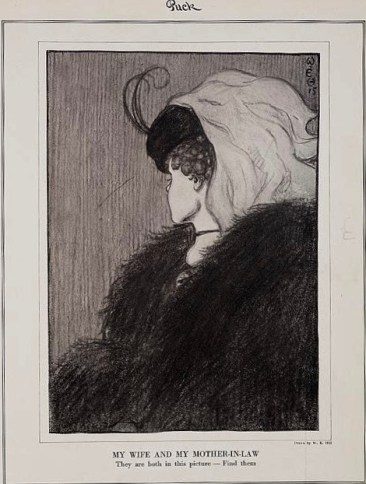
One particular optical illusion that is especially relevant to my experience is the image called My Wife and My Mother-in-Law. This illusion closely aligns with my experience of anatomic dysphoria because it generates two very different interpretations of a human face based on unchanging physical features. The photo at the top of this post is my own drawing of this well-known illusion.
I recently used My Wife and My Mother-in-Law to help explain my experience of physical dysphoria to my psychiatrist. He admitted that he had seen the image before, but prior viewing does not detract from my explanation. I asked him what he saw when he looked at the picture. He said that his first impression is that of a young woman with her face turned away, but because he knows that an old woman’s face is also there, he can intentionally re-interpret the image to visualize the old woman. (The young woman’s chin becomes the old woman’s nose, and the young woman’s necklace becomes the old woman’s mouth). I asked him what he felt while looking at that image and seeing the young woman’s face alternate with the old woman’s face. He said he felt a brief and mild sensation of confusion and discomfort, but his mind naturally reset the lines back into the young woman’s face which restored a more neutral emotional response to the image. I explained that for me, the image never settles on one face or the other for very long, it constantly shifts back and forth between the young woman and the old woman, which makes the viewing experience very disorienting and confusing. Then I told him, “Imagine that the image doesn’t shift between young woman and old woman, but instead shifts between young woman and young man. Over and over and over. Imagine that the image never settles into a consistent comfortable interpretation. Imagine that you see this constantly alternating image every time you look down at your body, every time you look in the mirror, every time your reflection stares back at you from a cell phone screen or a darkened store window. Imagine that. That’s what my physical dysphoria is like, an optical illusion where my real image (young woman) and my brain’s expected image (young man) are constantly competing and my perception of the image is constantly changing to align with one or the other. I end up feeling disoriented and unsettled and completely detached from my own body.” He considered this – very carefully, very thoughtfully, as is his way – and then nodded. He truly seemed to have an accurate and empathetic understanding of my experience of anatomic dysphoria.
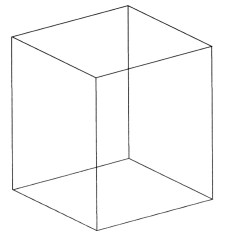
My Wife and My Mother-in-Law belongs to the class of optical illusions known as ambiguous images. (Podvigina 2015) Examples of other ambiguous images include the Rabbit Duck, Rubin’s Vase, Necker’s Cube, Winson Figure, and Spinning Dancer.
Many types of optical illusion create a perceived image that differs from the actual components of the figure based purely on the physical properties of the visual stimuli itself, properties such as shape, texture, contrast, and continuity of lines. These are often called literal optical illusions. Ambiguous images differ from literal optical illusions because the visual stimuli of ambiguous images allow multiple coherent cognitive perceptions to arise from the same image components. Literal optical illusions create a single inaccurate perception. Ambiguous images create multiple spontaneously shifting accurate perceptions – this experience is called multistable perception.
Multistable perception occurs when a static sensory stimulus is ambiguous and consistent with two or more mutually exclusive subjective interpretations; each interpretation is discrete and stable for a short period of time, but perception alternates between these different interpretations. (Leopold 1999, Eagleman 2001, Sterzer 2009, Schwartz 2012, Podvigina 2015)
[Note: multistable perception can occur in response to visual, auditory, olfactory, and tactile stimuli, but this phenomenon has been most extensively investigated with respect to visual sensory input. (Schwartz 2012) The rest of this post will focus exclusively on multistable perception in a visual context].
Characteristics of multistable perception include:
These traits of multistable perception also characterize my experience of anatomic dysphoria:
“Ambiguous figures provide the experience of having one’s perceptual awareness switching between different options while at the same time remaining fully conscious that no physical stimulus change whatsoever underpins these vivid perceptual changes.” (Kleinschmidt 2012) This statement from an article reviewing the literature on multistable perception bears striking similarity to previous description of my own experience: “My appearance seems to change dramatically within the space of just a few minutes or hours… My image remains familiar and recognizable, but constantly different… I know with certainty that it is not physiologically or anatomically possible for any human body to change that much in such a short period of time. I know this. I remind myself of that over and over. Yet what I keep seeing with my own eyes, right there in front of me, incontrovertible visual evidence, is this shape-shifting mirror-ghost of a body that I cannot imagine I actually inhabit.”
Unlike many optical illusions which create illusory perceptions primarily due to deficits in the visual system, ambiguous images (a form of multistable stimuli) are unique in allowing neural activity related to subjective conscious perception to be distinguished from neural activity related to objective physical stimulus properties. (Eagleman 2001, Sterzer 2009, Schwartz 2012) Evidence from several lines of empirical neuroscience (including functional magnetic resonance imaging and transcranial magnetic stimulation in humans and non-human primates) suggests that continuous processes in the frontal and parietal cortex are involved in constantly re-evaluating interpretations of sensory input and initiating changes in subjective perception, which results in the rapid and spontaneous perceptual alternations characteristic of multistable perception. (Leopold 1999, Sterzer 2009) These processes occur unconsciously during normal vision (almost all visual stimuli contain some degree of ambiguity that is rapidly and accurately resolved by this processing). This re-evaluation of perception only becomes consciously apparent when ambiguities in visual stimuli are maximized. (Leopold 1999, Eagleman 2001, Sterzer 2009) Multistable perception thus appears to be one component of an adaptive global process that generates a unified and coherent interpretation of the world, even though the information available to interpret is often fragmentary, conflicting, or ambiguous. (Sterzer 2009, Schwartz 2012) Multistable perception represents a kind of “stable instability” in subjective interpretation. (Schwartz 2012) And it seems that physical androgyny represents a particularly ambiguous image that is difficult for many people – myself and others – to interpret coherently.
The experience of multistable perception shows considerable individual variability. The rate of perceptual fluctuation tends to be consistent for a given person but varies by as much as an order of magnitude from one person to the next. (Leopold 1999, Schwartz 2012, Kleinschmidt 2012) Individual variation in the rate of perceptual alternation is associated with genetic factors, differences in brain structure (particularly in parietal lobe regions), and personal attributes including intelligence, creativity, and even mood disorders. (Leopold 1999, Kleinschmidt 2012, Podvigina 2015) Not only are there large individual differences in perceptual switch rates, there are also individual differences in preference for one percept over another – the preferred (dominant) interpretation of an ambiguous image is observed for a longer duration than the non-dominant interpretation over a period of spontaneous perceptual alternation. (Podvigina 2015) Certainly my personal experience aligns with this data. From my conversations with others regarding My Wife and My Mother-in-Law, it seems that I experience a much faster rate of perceptual reversal than most people: for me the image fluctuates very rapidly between the young woman’s face and the old woman’s face, while others describe something similar to what my psychiatrist described where perceptual switches occur less frequently and are more dependant on deliberate effort. It also seems that I experience less pronounced perceptual dominance than most people: I usually see the old woman’s face on first glance but during subsequent perceptual alternation it doesn’t feel like either face represents a more stable observation, while others generally describe that the perception of the young woman’s face is heavily dominant. So I wonder: do my individual characteristics associated with more rapid perceptual alternation and less pronounced perceptual dominance in response to multistable visual stimuli also contribute to my rapid shifts in perception and my difficulty maintaining a consistent interpretation of my own mirror image?
I think the optical illusion analogy is very valuable to help explain my experience of physical dysphoria. I have now refined this optical illusion analogy to refer more specifically to multistable perception that arises in response to viewing ambiguous images (particularly ambiguous images involving human faces). This new framework supports discussions with other people on the topic of anatomic dysphoria, and also provides a more concrete scaffold for me to construct a better understanding of my own experience.
Al Seckel, formerly considered one of the world’s leading authorities on illusions, referred to optical illusions as an experience where “expectations are violated” (TED, 2004). On my journey through Genderland thus far, I have radically re-evaluated personal and cultural expectations that I previously took for granted. I have deliberately distanced myself from restrictive and oppressive societal gender stereotypes and expectations. But now, I think I need to challenge myself even further. Does this multistable perception of my mirror image indicate the presence of some problematic expectations that my ambiguous androgyny somehow violates? Is it possible for me to deconstruct this distressing optical illusion to create a more comfortable, more coherent, and more stable cognitive interpretation of my physical appearance?
“As much as I’d like to believe there’s a truth beyond illusion, I’ve come to believe that there’s no truth beyond illusion. Because, between ‘reality’ on the one hand, and the point where the mind strikes reality, there’s a middle zone, a rainbow edge where beauty comes into being, where two very different surfaces mingle and blur to provide what life does not: and this is the space where all art exists, and all magic.”
– The Goldfinch (Donna Tartt, 2013)
————
References
Eagleman DM. Visual illusions and neurobiology. 2001. Nature Reviews | Neuroscience 2(12):920-926.
Kleinschmidt A, Sterzer P, Rees G. Variability of perceptual multistability: from brain state to individual trait. 2012. Philosophical Transactions of the Royal Society B: Biological 367(1591): 988-1000.
Leopold DA, Logothetis NK. Multistable phenomena: changing views in perception. 1999. Trends in Cognitive Sciences 3(7):254-264.
Podvigina DN, Chernigovskaya TV. Top-down influences to multistable perception: evidence from temporal dynamics. 2015. International Scholarly and Scientific Research & Innovation 9(11):3849-3852.
Schwartz J, Grimault N, Hupe J, et al. Multistability in perception: binding sensory modalities, an overview. 2012. Philosophical Transactions of the Royal Society B: Biological 367(1591):896-905.
Sterzer P, Kleinschmidt A, Rees G. The neural bases of multistable perception. 2009. Trends in Cognitive Sciences 13(7):310-318.
————
Part 1: GIDYQ-AA Personal Reflection
Part 2: Psychological Benefits of Diagnostic Confirmation
~ Part 3 in the Gender Dysphoria Diagnosis series ~
Part 4: DSM and ICD Diagnostic Criteria
Part 5: GIDYQ-AA Full Text
————

That’s me. A child dressed in baggy boy’s clothes, peeking out from underneath shaggy bangs – hair longer than she wanted but parentally forbidden from getting it cut – playing with her heifer calf named John. A child who knew she was a girl but desperately wanted to be a boy instead.
In a previous post, I discussed my overwhelming doubts about whether or not I truly have gender dysphoria given how atypical my experience seems to be in comparison to the more commonly portrayed trans narratives and the established diagnostic criteria. My experience since puberty has been predominantly characterized by intense physical dysphoria regarding female body characteristics, in the absence of any cognitive gender identity. So I didn’t consider myself “transgender” and I didn’t even know that gender dysphoria (formerly called gender identity disorder) was an established phenomenon or that transition options existed until two years ago – I just thought I had a very unusual and very severe body image disturbance. I have also previously described the powerful relief and peace I felt after having the gender dysphoria diagnosis confirmed by a specialist.
But despite the relief, acceptance, and confidence that followed after receiving expert confirmation of gender dysphoria, I found that after a couple of months those familiar doubts started creeping back in. Contributing to this resurgence of doubt was my ongoing difficulty understanding the significance of my childhood gender experience with respect to my current adult gender experience. Throughout my exploration of the trans community and investigation of transition options over the past two years, I have never been sure to what extent my obvious childhood gender non-conformity (obvious in memory and in family photos) and my distinct childhood desire to be a boy would necessarily add support to an adulthood diagnosis of gender dysphoria. I kept asking myself: how relevant is my childhood gender non-conformity?
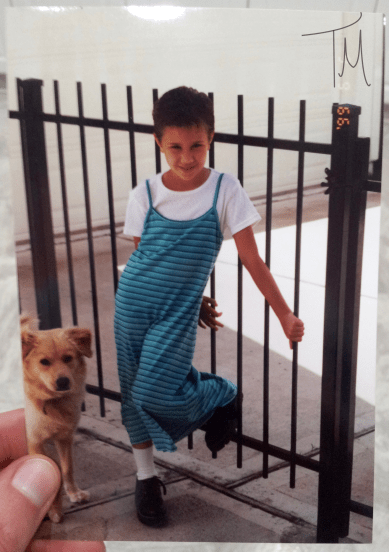
That’s me too. A child posing awkwardly in a dress, a child forced into that dress by her rigidly insistent mother, a child hating that dress with a feisty little rage because dresses are impractical and frivolous garments, a girl who wanted to be a boy and resented being forced into a conventional girl’s uniform, but pulling off an admirably convincing smile to please her father holding the camera.
Typical trans narratives on personal blogs and from high-profile trans advocates usually emphasize that they “knew” they were the “opposite” gender since they were extremely young.
“As a child I knew everyone was telling me that I was a boy but I felt like a girl.” – Laverne Cox
“Ever since I could form coherent thoughts, I knew I was a girl trapped inside a boy’s body. There was never any confusion in my mind.” – Jazz Jennings
“For me, I tend to refer to my childhood as one of a transgender child. When I was four and began asserting myself as the girl I knew myself to be… all I knew was that my internal sense of gender, what spoke to my soul, did not align with my body. But my prepubescent body had not grown into this battle I had to fight against.” – Janet Mock
“As far back as four or five I felt like a boy and wished I was a boy.” – Chaz Bono
“My earliest memories were that of wanting to be a girl even before I learned to spell.” – Jade Starr
Most trans people seem to interpret early childhood behaviors and preferences that align with opposite-sex stereotypes as incontrovertible evidence of their gender dysphoria. But research suggests that childhood gender non-conformity is relatively common. “Surveys report that 2-5% of children aged up to seven, as reported by their parents, ‘behaves like opposite sex’ and 1-2% ‘wishes to be of opposite sex.'” (Kaltiala-Heino 2015) And among these gender non-conforming children, only a small minority (ranging from 2-37% in various studies) will retain gender dysphoric feelings into adolescence (Kaltiala-Heino 2015, Smith 2014, Steensma 2013, Wallien 2008). “The evolution of a gender nonconforming child is unpredictable, and it is therefore impossible to determine whether the condition will persist into adolescence or adulthood.” (Meriggiola 2015)
And of course, assessment of whether a child’s behavior is “gender non-conforming” is based on a troubling frame of reference: cultural gender stereotypes and the sexist attitudes associated with deviation from those stereotypes. “Cultural issues likely play a major role in whether a child’s behavior is perceived as gender atypical. Consultations due to gender identity are generally more often sought for boys than girls, which may suggest greater gender variation in boys, but also that effeminate behaviors in boys are perceived as more of a problem than tom-boyishness in girls… that natal boys were more commonly bullied because of gender presentation suggests that effeminate characteristics in boys are less tolerated than masculine self-presentation in girls.” (Kaltiala-Heino 2015)
Research also shows that childhood gender non-conformity is more often associated with adolescent and adult non-heterosexual sexual orientations than with gender dysphoria and transgender identity. “Another issue regarding the psychosexual outcome of children with gender identity disorder is the relation between the child’s gender atypicality and sexual orientation in adulthood. Early prospective follow-up studies indicated that a high rate (60-100%) of children (mostly boys) with gender dysphoria had a homosexual or bisexual sexual orientation in adolescence or adulthood and no longer experienced gender-dysphoric feelings… in accordance with retrospective studies among adult homosexuals, who recalled more childhood cross-gender behavior than heterosexuals. Adult individuals with childhood gender dysphoria are thus much more likely to have a nonheterosexual sexual orientation than a heterosexual sexual orientation.” (Wallien 2008)
In light of that information, I have always been uncomfortable with the strong emphasis that many trans people place on their childhood gender non-conformity. It left me feeling very unsure about how to integrate my own childhood experience into my current perspective regarding a diagnosis of gender dysphoria. And their emphasis also makes me deeply uncomfortable because it perpetuates the idea to the general public (who likely don’t know the statistics regarding low rates of persistence of childhood gender dysphoria into adolescence but who seem to have an exaggerated perception of the association between childhood gender non-conformity and future homosexuality) that childhood cross-sex behavior means their kid is trans or gay. These ideas potentially lead to inappropriate suppression of that behavior by the parents (if parents are homophobic or transphobic and believe they can prevent their kid “becoming” trans or gay). “There is evidence that some clinicians and parents have offered or requested treatment for children with gender identity disorder, in part, to prevent the development of homosexuality.” (Davy 2015) Or these ideas may lead to premature medical or psychological intervention (if parents are supportive of their child’s cross-gender interests but perhaps somewhat misguided and overenthusiastic in pursuing early transition). And clinical experience suggests that it is often the parents’ concern about their child’s gender non-conformity that leads to psychological assessment, rather than the child’s own distress about their gender non-conformity. “Parents of children with gender identity disorder are often ‘unable to cope’ with gender uncertainty… parents most often bring their children to clinical attention… in these cases, it is the parents whose children do not adhere to normative expectations of gender performance who experience ‘distress’.” (Hird 2003) I felt so confused and conflicted about all of this, and I have therefore intentionally avoided discussing my childhood gender experience in any great detail on my blog until now.
Laverne Cox has spoken out about the psychological advantages of puberty suppression in adolescents with gender dysphoria, a procedure which scientific evidence strongly supports as having substantial therapeutic benefit and which allows for more satisfying physical transition outcomes (Smith 2014, Kaltiala-Heino 2015, Meriggiola 2015). But Laverne Cox also promotes transitioning in early childhood, “With transition, the earlier the better. I think if your child knows that they are transgender – and we usually know – then it is life-saving.” I think that is an extremely irresponsible statement for an influential transgender advocate to make, given the existing evidence about the unpredictable psychosexual outcomes in gender non-conforming children.“Medical interventions are not warranted in pre-pubertal children.” (Kaltiala-Heino 2015) Research about the management of gender dysphoria in children recommends a supportive but cautious monitoring approach, with further assessment and consideration of puberty suppression if gender dysphoria does in fact persist past the onset of puberty. “The percentage of transitioned children is increasing and seems to exceed the percentages known from prior literature for the persistence of gender dysphoria, which could result in a larger proportion of children who have to change back to their original gender role, because of desisting gender dysphoria, accompanied with a possible struggle… the clinical management of children with gender dysphoria in general should not be aimed to block gender-variant behaviors.” (Steensma 2013)
To summarize the results of numerous studies: childhood gender dysphoria seems to be associated with an increased likelihood of future homosexual or bisexual orientation, and childhood gender dysphoria may or may not (and usually does not) persist into adolescence. “In clinical practice, gender-dysphoric children and their parents should be made aware of [these outcomes] and, if this would create problems, be adequately counseled.” (Wallien 2008) But of course, childhood “gender non-conformity” may simply represent the beautiful freedom and remarkable creativity inherent in children’s innocent pastimes viewed through an adult lens of social gender stereotypes. Childhood “gender non-conforming” behavior may also be a vital process in the development of their individual identity, not something that requires any parental intervention whatsoever. Let them be kids. Let them figure out for themselves who they are. “It is with seasoned modesty that we emphasize, to different degrees, the changeability of children during growth and development… what children desire of themselves as children is rarely what satisfies them as adults.” (Reiner 2011)
Revisiting the scientific literature on these topics has also had substantial personal relevance, allowing me to reframe my own childhood and adolescent experiences in a way that gives me more confidence in a current diagnosis of gender dysphoria and gives me a deeper understanding of assorted fragments of my increasingly coalescent story.
Knowledge of the factors associated with persistence versus desistance of childhood gender dysphoria into adolescence is limited (Steensma 2013). However, from this limited research, it has been demonstrated repeatedly that one of the most important factors associated with higher rates of persistence of gender dysphoria from childhood into adolescence is the intensity of childhood gender non-conformity or cross-sex identification. “Presentation [of gender dysphoria] is heterogeneous in childhood, with some children exhibiting extreme gender non-conforming behaviors accompanied by severe discomfort and other children showing less intense characteristics. Not all adolescents with gender dysphoria experience symptoms in early childhood, but those who do often present with more extreme gender non-conformity.” (Smith 2014) “Taken together, the prior research suggests that persistence of childhood gender dysphoria is most closely linked to the intensity of the gender dysphoria in childhood and the amount of gender-variant behavior.” (Steensma 2013) My childhood gender non-conformity WAS extremely intense, with a very strong and persistent desire to “be a boy” (in the context of a childish understanding of gender and a naive perception of masculine and feminine stereotypes) and drastic efforts (within a child’s limited scope of control) to create a boyish physical appearance through choice of clothing and hairstyle. The above research lends major relevance to the intensity of my childhood gender dysphoria, rather than the mere presence of it. Which adds diagnostic value to that aspect of my own story, and also allows me to understand the significance of my childhood experience without perpetuating the troublesome misconceptions about childhood gender non-conformity that I described above.
In terms of persistence of childhood gender dysphoria into adolescence, I now understand the significance of my own response to the physical changes accompanying puberty. “Gender dysphoria which intensifies with the onset of puberty usually persists… At puberty, the development of secondary sexual characteristics can lead to increased distress, sometimes leading to severe extremes such as depression, anxiety, self-harm, suicidal tendencies, substance abuse, and high-risk sexual behaviour. Reactions to early pubertal changes have a high diagnostic value.” (Meriggiola 2015) Several other studies also reinforce the “high diagnostic value” of teenagers’ response to development of secondary sexual characteristics in early puberty (Smith 2014, Steensma 2013, Wallien 2008). In contrast to cognitive gender identity (which I suppose I would have described as “wishing to be a boy” when I was a child, but which seemed to fade away at the onset of puberty), my physical dysphoria increased dramatically in response to early pubertal changes. I was so intensely distressed by my budding breasts and broadening hips and my first few periods, that I immediately initiated a regime of strict dietary restriction and excessive exercise to starve away all traces of physical femaleness. These behaviors quickly progressed to full-blown anorexia nervosa, which persisted for the next six years. In retrospect, this experience now has high diagnostic value and is strongly consistent with gender dysphoria.
Not only do reactions to early pubertal changes have “high diagnostic value”, there is also diagnostic value associated with the response to puberty suppression. “Treatment with a GnRH analog [puberty suppression] is thought to be a diagnostic aid as well as a therapeutic intervention for this age group because stopping the progression of the physical changes of puberty would be expected to partially alleviate gender dysphoria symptoms in true gender dysphoria. The first prospective study of psychological outcomes in adolescents… showed a statistically significant improvement in behavior, emotional problems, and general functioning after puberty suppression.” (Smith 2014) I experienced intensified body aversion at the onset of puberty, but through extreme and prolonged starvation I basically created my own puberty suppression protocol (which ideally should have been achieved with appropriate drugs under medical supervision but I wasn’t aware of those options at the time so I did what I could on my own to suppress my confusing physical dysphoria). Anorexia virtually halted further pubertal development: the drastic weight loss induced amenorrhea which lasted from age 13 to 19 and prevented any further increase in chest and hip size, so that I floated through my teenage years in a rail-thin, nearly pre-pubescent, and highly androgynous body. During those years, my eating disorder was its own source of distress (food-related thoughts were incessant and abnormal eating behaviors were pronounced). But that all seemed such a small price to pay to achieve a tenuous and provisional satisfaction and comfort with a less feminine body, a “partial alleviation of gender dysphoria” secondary to “stopping the progression of the physical changes of puberty”. Which aligns precisely with the description in the above study. Once again, this evidence provides very definitive support for a true diagnosis of gender dysphoria in my case.
When I was 19, I experienced my first episode of major depression and I gained nearly 100lbs over a nine-month span. Menstruation resumed, acne worsened, my chest and hips increased in size, and my body basically went through normal puberty after a six-year starvation-induced delay. Following the weight gain and further pubertal development at 19 years old, my body became more feminine and my physical dysphoria escalated to a previously unprecedented intensity, to the point that I could no longer tolerate the sight of myself and began avoiding mirrors and showering in the dark. Moving uncomfortably through the next five years in a much heavier and more feminized body, I would often reflect on my androgynous teenage thinness with an excruciating sense of loss tainting all of those fond memories, a desperate feeling of hopelessness of ever regaining such a genderless and comfortable body. Only in the past year, after having lost some of the weight that I gained six years ago and developing a much more rigorous weightlifting routine to increase my upper body muscle mass, have I been able to create a more satisfying and comfortably androgynous appearance without depending on a dangerously low body weight. So now, when I reflect on my teenage body, those memories are no longer pained by desperation and loss. Instead, those memories have become just one more part of my story that now makes sense. I have finally let go of those last remnants of doubt: I DO have gender dysphoria. Atypical gender dysphoria, sure. But “atypical” tends to be my typical way of life.

That’s me. A skinny teenager sweating in the heat of August summer, her smile genuine this time from the satisfaction of building a rope ladder from sawed-off poplar branches to scale the walls of a hay bale fortress. I can still feel the comforting looseness of those tattered jeans around my narrow hips. I can feel the freedom and lightness and vitality in that slender androgynous body. It is only the slightest rise of my pectoral topography through the kid-sized purple T-shirt that hints at the biological truth I tried to deny.

That’s me. A scrawny kid taking her first solo ride on her brother’s dirtbike, a little wobbly and a little cautious and a lot exhilarated. I can still feel the weight of my brother’s heavy boots on my feet, still feel the wind snatching my breath away as I tossed caution aside and revved up into top speed, still remember how alive I felt in that slim boyish body.

And that’s me too. A lean little nymph leaping so lightly across the scattered hay bales, her favorite green Peter Pan sweater billowing around her weightless self. In the moment before the jump, I felt like I could fly, I felt alive inside my body, and I trusted my body to do what I wanted it to do. So all the muscles in my legs contracted, my feet pushed down hard against the hay, and then, recklessly, I tossed my stick-thin Peter Pan body up… and up… and up… towards a genderless Neverland in the dusky evening sky.
“Lastly, she pictured to herself… how she would keep, through all her riper years, the simple and loving heart of her childhood; and how she would gather about her other little children, and make their eyes bright and eager with many a Wonderland of long ago; and how she would feel with all their simple sorrows, and find a pleasure in all their simple joys, remembering her own child-life, and the happy summer days.”
– Lewis Carroll (Alice’s Adventures in Wonderland, 1865)
————
References
Davy Z. The DSM-5 and the politics of diagnosing transpeople. 2015. Archives of Sexual Behavior 44(5): 1165-76.
Hird MJ. A typical gender identity conference? Some disturbing reports from the therapeutic front lines. 2003. Feminism and Psychology, 13: 181–199.
Kaltiala-Heino R, Sumia M, Työläjärvi M, et al. Two years of gender identity service for minors: overrepresentation of natal girls with severe problems in adolescent development. 2015. Child Adolescent Psychiatry and Mental Health 9: 1-9.
Meriggiola MC, Gava G. Endocrine care of transpeople part I. A review of cross-sex hormonal treatments, outcomes and adverse effects in transmen. 2015. Clinical Endocrinology 83(5): 597-606.
Reiner WG, Townsend Reiner D. Thoughts on the nature of identity: disorders of sex development and gender identity. 2011. Child and Adolescent Psychiatric Clinics of North America 20(4): 627-38.
Smith KP, Madison CM, Milne NM. Gonadal suppressive and cross-sex hormone therapy for gender dysphoria in adolescents and adults. 2014. Pharmacotherapy 34(12): 1282-97.
Steensma TD, McGuire JK, Kreukels BP, et al. Factors associated with desistence and persistence of childhood gender dysphoria: a quantitative follow-up study. 2013. Journal of the American Academy of Child and Adolescent Psychiatry 52(6): 582-90.
Wallien MS, Cohen-Kettenis PT. Psychosexual outcome of gender-dysphoric children. 2008. Journal of the American Academy of Child and Adolescent Psychiatry 47(12): 1413-23.

I begin by skipping rope.
tap tap tap tap tap
The rope taps briskly against the floor, slow at first as I warm up, calf muscles clenching and protesting before they ease into the rhythm. I count to 200.
tap tap tap tap tap
Faster now. 400.
tap tap tap tap tap
Faster still. 600.
tap tap tap tap tap
The rope just a blur. 800.
taptaptaptaptap
Until, breathless, I stop and toss the rope aside. 1000.
I roll my shoulders, loosen up. Start shadow boxing at the darkened studio window, my reflection jabbing back at me with the familiar unfamiliarity that haunts my mirror image. But this time I don’t try to fit those female fragments into a coherent structure – I ignore the body and watch the motion, each movement detached and isolated, mechanical and yet alive with a deceptive hidden power. And I can feel the gratitude snaking through those fluid lines of chest and shoulder, gratitude for this gift of graceful motion.
I pause to wrap my wrists and knuckles. Slip my hands into well-worn gloves, bite down on the velcro strap, jerk my head back to tighten the cuff – the sweaty synthetic taste of it somehow grounding. I turn my back to the window. Now it’s just me, my body, and the bag.
The bag is old and tattered. Several layers of tape mend tears in the fabric. Formerly cylindrical, the sides have been flattened by a decade of heavy beating. I have gained precision in my aim and timing, trying to land my punches on the flat faces as the bag rocks and rotates.
Boxing has been described as a “romance of masculinity” and as “the most dramatically masculine sport”. Certainly boxing can be an avenue of aggression and anger and violence. But this – right here, this moment – this has nothing to do with masculinity. This has nothing to do with anger. This has nothing to do with violence. It has everything to do with peace: finding peace in the strength and stamina of a beautiful body that my brain so often refuses to accept.
I am the only female-bodied person in the gym. I can hear loud groans and heavy grunts from the men lifting weights across from me, perhaps from genuine exertion but more likely from their sense of entitlement, their unquestioned privilege to demand attention and invade even the auditory space. But my space – my sweaty ring around the swaying bag – is silent up until the split second of contact.
The sound of each strike cracks the silence. The impact of each punch echoes through my body as I pull back to hit again. The lyrics of this music thrum through my mind and hum through my muscles.
Jab
Crack
Jab
Crack
Cross
Crack
Breath
Shuffle back
One two
Rear hook
Crack
Breath
Head flicks
Sweat flies
Jab
Crack
Cross
Crack
Jab
Crack
Uppercut
Breath
Shuffle forward
Breath
Sweat drips
Breath
Lean in
Leap back
Duck
Jab
Crack
Jab
Crack
Jab
Crack
Cross
Crack
Breath
Breath
Breath
The bag is swinging wildly now. I must have fallen just a little out of tempo. Thinking too much. My body knows what to do if my mind doesn’t interfere. I step forward, cradling the heavy bag in my arms, letting my body absorb its momentum, ushering it gently back to stillness. I hear a cranky metallic clank from the chain suspending the bag. I stay there for another second, my face pressed against the fabric, a rough seam digging into my cheek. Then I shuffle backwards, tap the bag with one curled glove – respect, dear friend – and begin again.
Boxing is not about masculinity.
Boxing is a dance.
Boxing is a dance
of proximity and power,
of precision and peace,
of silence and space,
of gratitude and grace.
Our lives
Are better left to chance
I could have missed the pain
But I’d have had to miss
The… dance…
– Garth Brooks (The Dance, 1989)

There are numerous articles and blog posts discussing the many ignorant, intrusive, and inappropriate questions that are all too often aimed at transgender people. These articles are on popular websites (Everyday Feminism, BuzzFeed, Astroglide, Huffington Post, Cosmopolitan, Autostraddle), as well as on personal blogs written by trans people (janitorqueer, American Trans Man, Matt Kailey’s Tranifesto). There are even artistic projects devoted to this issue (A Series of Questions). There are differences within the trans community regarding willingness or unwillingness to answer these types of questions, depending on their relationship with the asker, the context in which the questions are asked, their desire for privacy, and the extent to which they want to educate others. I will not rehash what has already been discussed so extensively on other sites.
But, from here in my small corner of the internet, I would like to add something to this ongoing conversation. This is a question that I have not seen mentioned in any of the existing articles, but one which I have heard multiple times and have always found difficult to deal with:
“Which is harder, coming out as gay or coming out as transgender and going through transition?”
In my more generous moments, I want to believe that people who ask this question are making an honest attempt to use an experience they think they understand (coming out as gay) to provide a frame of reference to help them understand an experience that seems more foreign (coming out as trans and going through transition). In a neutral frame of mind, I might view this question as the idle curiosity of an interested audience. But I cannot ignore the dismissive presumption inherent in that question, the way those words reflect a simplistic desire to neatly rank and categorize unfamiliar experiences along a linear scale of difficulty, the way those words erase the incredible diversity of individual experiences with the assumption that one person can speak for everyone who is gay and everyone who is trans.
So whenever someone asks me that question, I feel an odd mixture of anger and resentment conflicting with my effort to be tolerant and give them the benefit of the doubt regarding their intentions. I could choose not to answer the question. But so far I have always chosen to answer, because my desire to be understood exceeds my desire to disengage.
“Which is harder, coming out as gay or coming out as transgender and going through transition?”
This is what I say to people who ask me this question: I think the question is irrelevant and impossible to answer. Each person’s situation is so different. The challenges each individual faces and the distress they experience are dependent on so many complicated factors: their social support system, their home and work environments, their personality, concurrent physical or mental illnesses, economic status, race, perceived gender, the list is long. And I think perhaps one of the most powerful factors influencing LGBT experiences is a person’s own acknowledgement and acceptance of their sexuality or gender identity. The internalized homophobia and transphobia generated by a lifetime of societal conditioning can create such deeply entrenched and overwhelming shame – shame like a slow-burning bonfire that eats away at the edges of your soul until you are entirely consumed by the raging heat.
Speaking only for myself: the constant physical dysphoria that comes from living in a female body with a brain that resists this body so intensely – this incongruence made so glaringly evident in every mirror, every motion, every moment – and the physical effects of the hormonal and surgical aspects of transition are a notable difference between my experience and the experiences I’ve heard gay friends describe. The physical aspects of gender dysphoria and my fears and uncertainties about the medical aspects of transition are more disturbing to me (though no less important) than my fears about the social repercussions of transitioning.
Speaking once more for myself: despite the physical distress that is so painful, my journey so far has allowed me to accept gender dysphoria, authentically and shamelessly, as part of who I am. My shame has stopped burning and now I sift through the ashes to reassemble the charred pieces of myself. And though my landscape still looks bleak and scorched, I get to decide where I go from here. This acceptance has given me an extraordinary freedom that many trans people and gay people have not yet achieved if they remain burdened with shame or denial. For this part of my experience, I have the utmost gratitude.
“You ought to be ashamed of yourself for asking such a simple question.”
– The Gryphon (Alice’s Adventures in Wonderland, 1865)




 Thomas in Genderland